Living in Korea
Seollal in Korea: What Foreigners Should Know

Shuttle
January 28, 2026
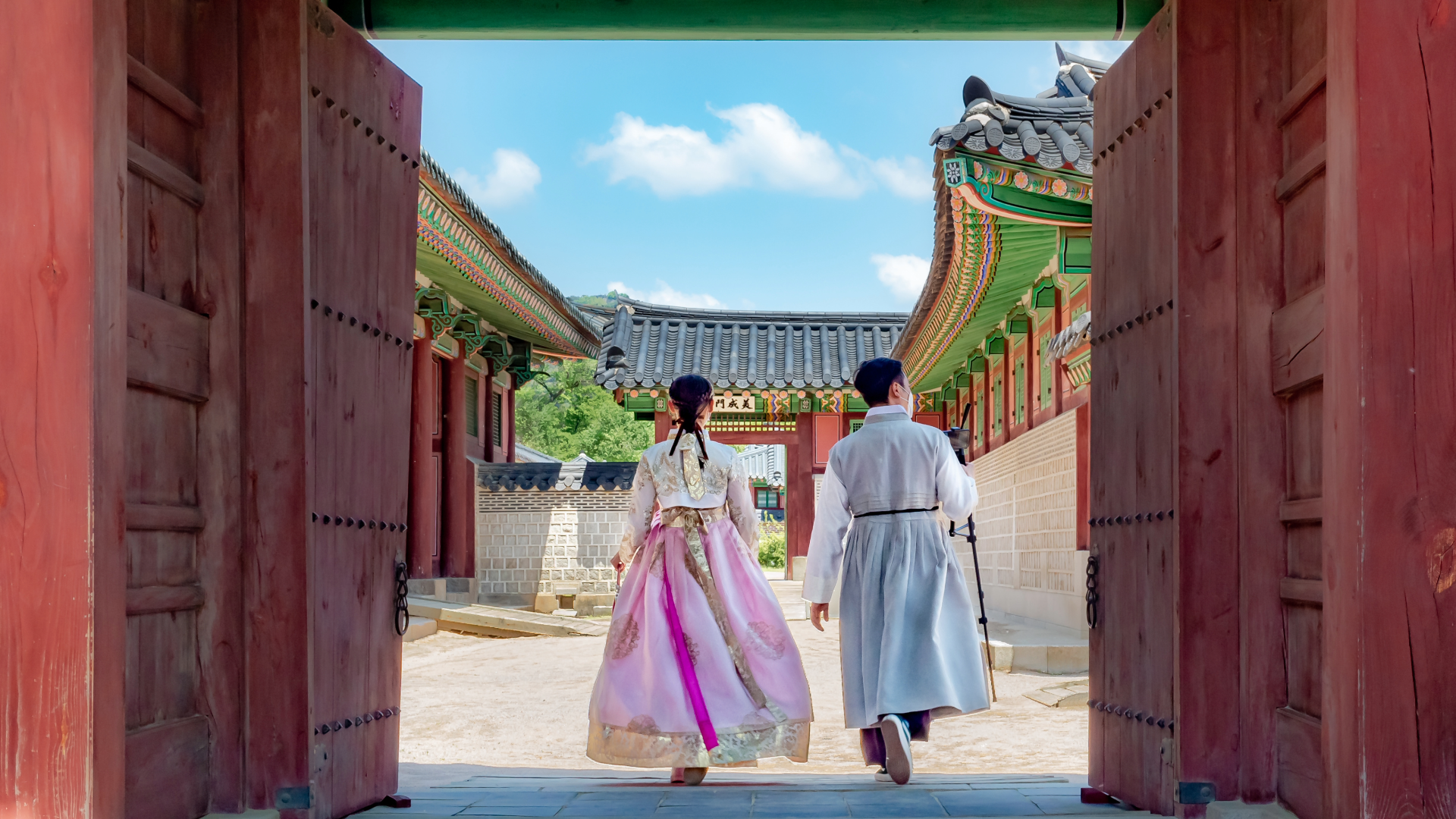
Seollal (설날), is not just another public holiday in Korea. It is the one time of year when the country noticeably slows down.
If you are in Korea during Seollal, the country’s Lunar New Year, you will sense the shift quickly. Train tickets disappear days in advance, highways fill with families heading to their hometowns, and Seoul, a city rarely associated with quiet, begins to feel unexpectedly less crowded.
Neighborhood restaurants close, office districts empty, and even typically busy streets move at a gentler pace.
For first-time visitors and international residents, the holiday often brings the same question: what is everyone doing?
Often compared to Thanksgiving or Christmas in importance, Seollal centers on family, respect for elders, and new beginnings.
Even in a fast-moving society, these traditions remain deeply woven into everyday life.
Few experiences offer a clearer window into Korean culture than Seollal.
Understanding these traditions will help you make sense of what you see around you during the holiday.
Here are five you are most likely to notice, and possibly even take part in.
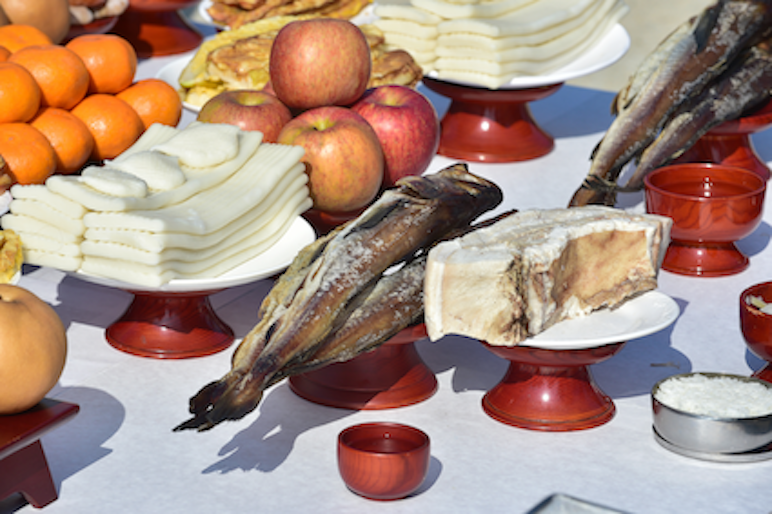
At the heart of Seollal is Charye (차례), an ancestral memorial ritual held on New Year’s morning.
Families prepare an elaborate table featuring symbolic foods like rice, soup, fish, fruit, and jeon (savory pancakes). Even the placement of each dish follows traditional guidelines that have been passed down over time.
While the ceremony may appear formal, its purpose is deeply personal. It is a time to honor ancestors, express gratitude, and begin the new year with reflection.
If you visit a grocery store just before Seollal, expect crowded aisles and long checkout lines as families gather ingredients for this important ritual.
After Charye, younger family members greet their elders with Sebae (세배), a deep formal bow that symbolizes respect and well wishes for the year ahead.
In return, elders offer words of encouragement and often give sebaetdon (세뱃돈), New Year’s money traditionally presented in crisp envelopes. Many adults prepare these envelopes in advance, typically filling them with cash starting around 5,000 won and above to give to children and younger family members, and sometimes even to the children of close acquaintances.
Beyond the monetary gift, Sebae reflects values that still influence Korean society today, particularly the emphasis on family hierarchy and respect for age. For children, however, it is often the highlight of the day.

No Seollal celebration feels complete without a bowl of tteokguk (떡국), a comforting soup made with thinly sliced rice cakes in a clear beef broth.
The dish carries symbolic meaning. The white rice cakes represent purity and renewal, and eating tteokguk traditionally marks growing one year older.
You might even hear Koreans jokingly ask, “How many bowls of tteokguk have you had?” It is their playful way of asking your age.
Tteokguk is served year-round at many Korean restaurants, but eating it during Seollal is part of the tradition and a great way to join in on the celebration. You will often see it prepared as Tteok Mandu Guk, a version that includes plump Korean dumplings.
.png)
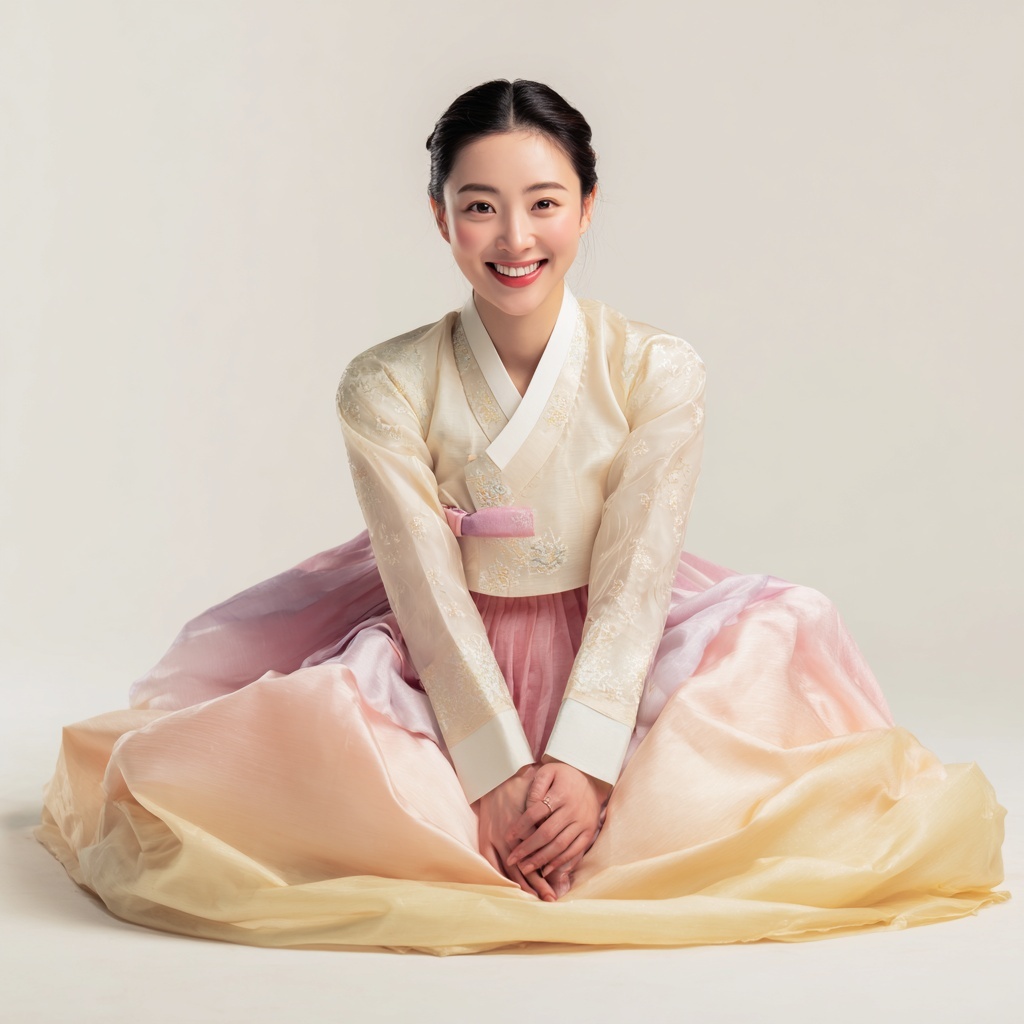
Many families choose to wear hanbok, Korea’s traditional attire, during Seollal, especially for ancestral rites and Sebae.
Known for its vibrant colors and graceful lines, hanbok reflects the celebratory spirit of the holiday while honoring cultural heritage.
Although fewer people wear hanbok in everyday life today, the tradition remains popular for children, making Seollal one of the best times to see it. In some neighborhoods, spotting entire families dressed in hanbok on their way to gatherings is still a common sight.
If you want to join in, hanbok rentals are widely available near historic areas such as Gyeongbokgung Palace. Walking through the palace grounds and surrounding streets in traditional clothing can feel a bit like stepping back in time, offering a glimpse of Korea’s past in the middle of modern Seoul.
%20copie.png)
After the formal rituals, the rest of Seollal is typically much more relaxed.
Families spend the day talking, eating, and playing traditional games such as:
If you would like to experience these traditions yourself, the Korean Folk Village is a popular place to visit during the holiday, where you can try traditional games and watch cultural performances firsthand. It is even open until 8pm during Seollal, making it an easy addition to your holiday plans.
For many Koreans, these quieter moments often become the memories they cherish most. It is a reminder that, at its core, Seollal is about connection.
If this is your first Seollal in Korea, a little preparation goes a long way. It is wise to check opening hours in advance, as many restaurants and small businesses close, especially on New Year’s Day. If you are planning to travel, booking KTX or SRT train tickets online ahead of time is strongly recommended since stations fill up quickly at the start and end of the holiday, and roads often see heavy traffic as people move across the country.
Popular tourist areas may feel quieter than usual. At the same time, it can be a peaceful opportunity to explore the city at a slower pace or enjoy a rare break from the typical crowds.
Seollal is a reminder of the values that continue to shape everyday life in Korea: respect for elders, gratitude, and the importance of family.
For foreigners, witnessing Seollal offers a deeper understanding of the culture beyond what you see at tourist sites. Even small moments, like hearing greetings exchanged between strangers or watching families gather in traditional dress, reveal the meaning behind Korea’s most important holiday.
If you would like to take part, remember this simple phrase: “Saehae bok mani badeuseyo” (새해 복 많이 받으세요). It means “Wishing you lots of good fortune in the new year,” and you will hear it everywhere during Seollal. Saying it to a neighbor, coworker, shop owner, or friend is a thoughtful way to share in the spirit of the holiday.
And if someone says it to you first, now you know exactly what it means.
Saehae bok mani badeuseyo!




.jpg)
.jpg)